
Exploring the historical evolution of gambling practices through the ages
The Origins of Gambling
The practice of gambling dates back thousands of years, with the earliest records found in ancient China around 2300 BC. Archaeological findings suggest that rudimentary games of chance were played using tiles, indicating that the human inclination to gamble was already taking root. Similarly, artifacts from ancient Mesopotamia reveal the use of dice, believed to have been made from animal bones, which further illustrates the emergence of gambling in early human societies. Today, you can explore a variety of games at mister golden casino, reflecting how these traditions have evolved.
In addition to China and Mesopotamia, ancient Egyptians also engaged in games of chance, as evidenced by inscriptions on tombs depicting various gambling activities. These early forms of gambling were not solely about chance; they were entwined with cultural and religious rituals, highlighting the significant role that gambling played in society. For instance, lotteries were often organized to fund public projects, demonstrating how these practices were woven into the social fabric of ancient civilizations.
As cultures evolved, so did their gambling practices. In ancient Rome, gambling became increasingly popular among the populace, especially during festivals. Romans utilized various forms of gaming, including dice and betting on gladiatorial events. These activities not only provided entertainment but also helped to foster a sense of community among the citizens, indicating that gambling has long served as both a pastime and a social bonding mechanism throughout history.
The Middle Ages and the Renaissance
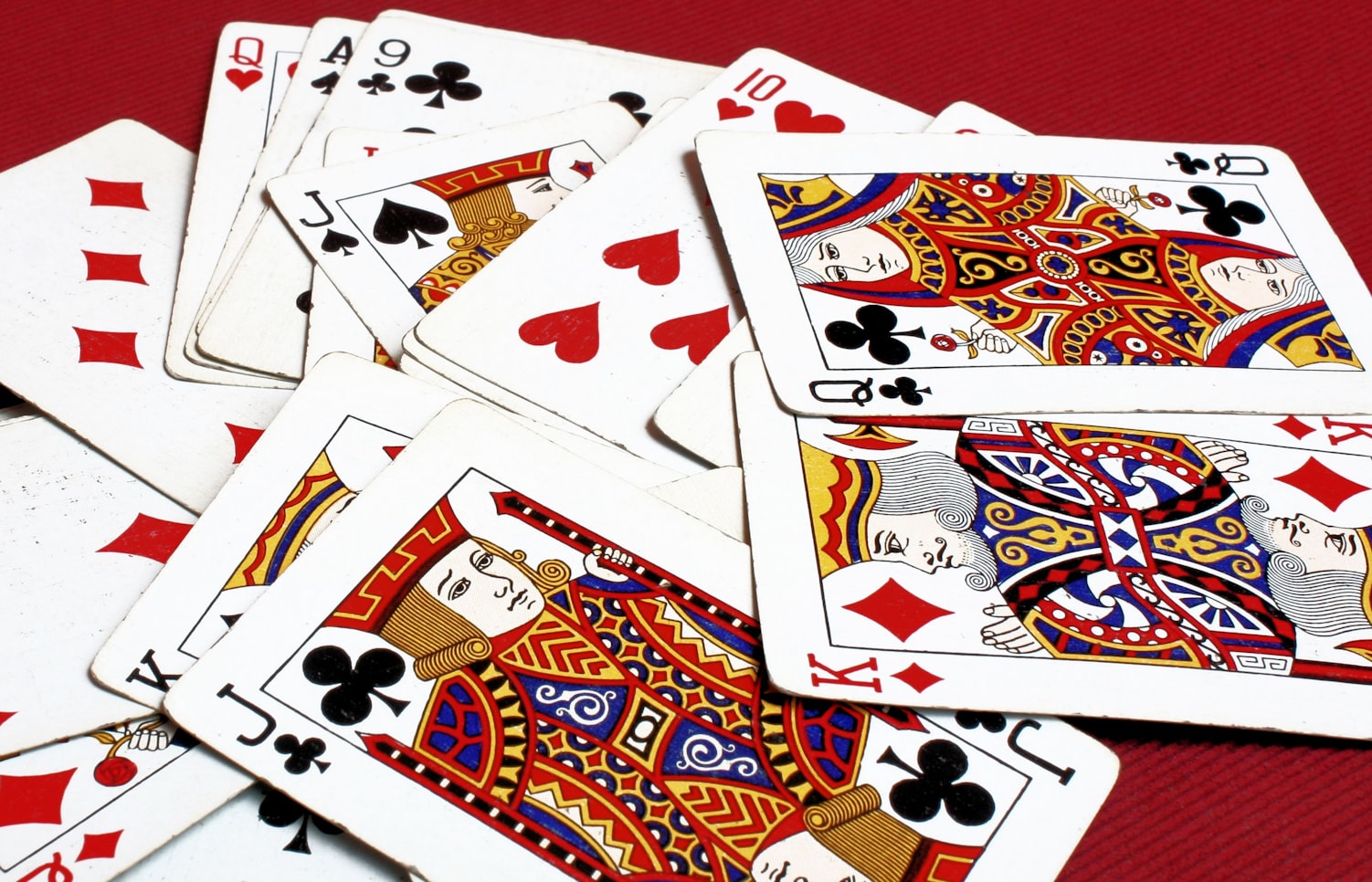
The Middle Ages saw a shift in gambling practices as various regions began to regulate these activities more strictly. The Church played a significant role in shaping attitudes toward gambling, often condemning it as a vice. However, this period also saw the emergence of more structured forms of gambling, such as card games and lotteries, which became increasingly popular among the nobility and common folk alike. The introduction of cards during the 14th century was revolutionary, leading to the development of many card games that are still played today.
During the Renaissance, gambling regained its popularity, fueled by the flourishing arts and a renewed interest in humanism. The first gambling houses, or casinos, began to appear in Italy, providing a formalized setting for gambling activities. This era also witnessed the establishment of the first laws governing gambling, aiming to regulate and control what had previously been a largely unregulated pastime. Such measures reflected a growing recognition of the potential social issues associated with gambling, even as the activity thrived.
By the end of the Renaissance, gambling had firmly established itself in European culture. The invention of the printing press allowed for the dissemination of gambling-related materials, including books that outlined rules and strategies for various games. This period marked the transition from informal gambling to a more organized and sophisticated industry, laying the groundwork for the modern gambling landscape we recognize today.
The Age of Enlightenment and Modern Gambling
The Age of Enlightenment brought significant changes to gambling practices as intellectual thought flourished. During this period, the perception of gambling began to shift from a simple vice to a complex interplay of chance, skill, and economics. Mathematicians like Blaise Pascal and Pierre de Fermat explored the probabilities involved in gambling, giving rise to the field of probability theory. This new understanding encouraged more strategic approaches to gambling, transforming it into a pursuit that could be analyzed and understood scientifically.
As societies modernized, gambling became more accessible to the masses. The establishment of state lotteries in the 19th century provided a means for governments to raise funds while giving citizens the chance to win big. The popularity of horse racing also surged, with betting on races becoming a widespread cultural phenomenon. The introduction of betting shops made it easier for people to participate in these activities, marking a significant transition in the accessibility of gambling.
The late 20th and early 21st centuries saw the rise of online gambling, revolutionizing the industry once again. The advent of the internet allowed for the creation of virtual casinos, bringing gambling directly into people’s homes. This shift not only expanded the reach of gambling but also led to new challenges regarding regulation and responsible gambling practices. As technology continues to advance, the evolution of gambling practices is likely to take on new forms, further altering the cultural landscape surrounding this age-old pastime.
The Cultural Perspectives on Gambling
Gambling practices vary widely across cultures, reflecting distinct societal values and attitudes toward chance and risk. In many Western cultures, gambling is often viewed as a recreational activity, a form of entertainment that is widely accepted and regulated. However, in some Eastern cultures, gambling may carry a different connotation, often tied to spiritual beliefs and rituals. For instance, in countries like China, gambling is deeply rooted in tradition and can signify luck and prosperity during significant celebrations.
Conversely, some cultures perceive gambling as a moral failing, associating it with addiction and social harm. This dichotomy leads to varying legal frameworks and social norms regarding gambling. For instance, while some countries have legalized casinos and online betting, others have implemented strict prohibitions against all forms of gambling. This contrast exemplifies how cultural perspectives can profoundly shape the evolution of gambling practices and influence public policy.
The interplay between gambling and culture highlights the necessity for awareness and responsible gaming practices. Understanding these cultural perspectives can help mitigate the negative impacts of gambling and promote healthier attitudes towards it. As the global landscape of gambling continues to evolve, fostering cross-cultural dialogue will be essential in addressing the challenges and opportunities that arise within this complex realm.

Mister Golden Casino: A Modern Gaming Destination
Mister Golden Casino stands as a testament to the evolution of gambling practices in the digital age. With its expansive collection of over 3,000 games, ranging from slots to table games, it caters to a diverse audience seeking thrilling entertainment. The platform’s user-friendly interface and availability across desktop and mobile devices ensure a seamless gaming experience for players around the world.
Recognizing the importance of responsible gaming, Mister Golden Casino offers clear guidelines and secure payment options to safeguard players’ experiences. The site’s commitment to customer support, available 24/7, reflects the industry’s evolution towards providing a safe and welcoming environment for all users. Moreover, the flexible welcome bonus further enhances the appeal, inviting newcomers to explore the extensive gaming offerings.
As the gambling industry continues to evolve, Mister Golden Casino exemplifies the adaptation to modern trends while honoring the rich history of gambling. By combining innovative technology with a deep understanding of cultural perspectives, it positions itself as a leading destination for online gaming enthusiasts, ensuring a vibrant and engaging experience for all players.